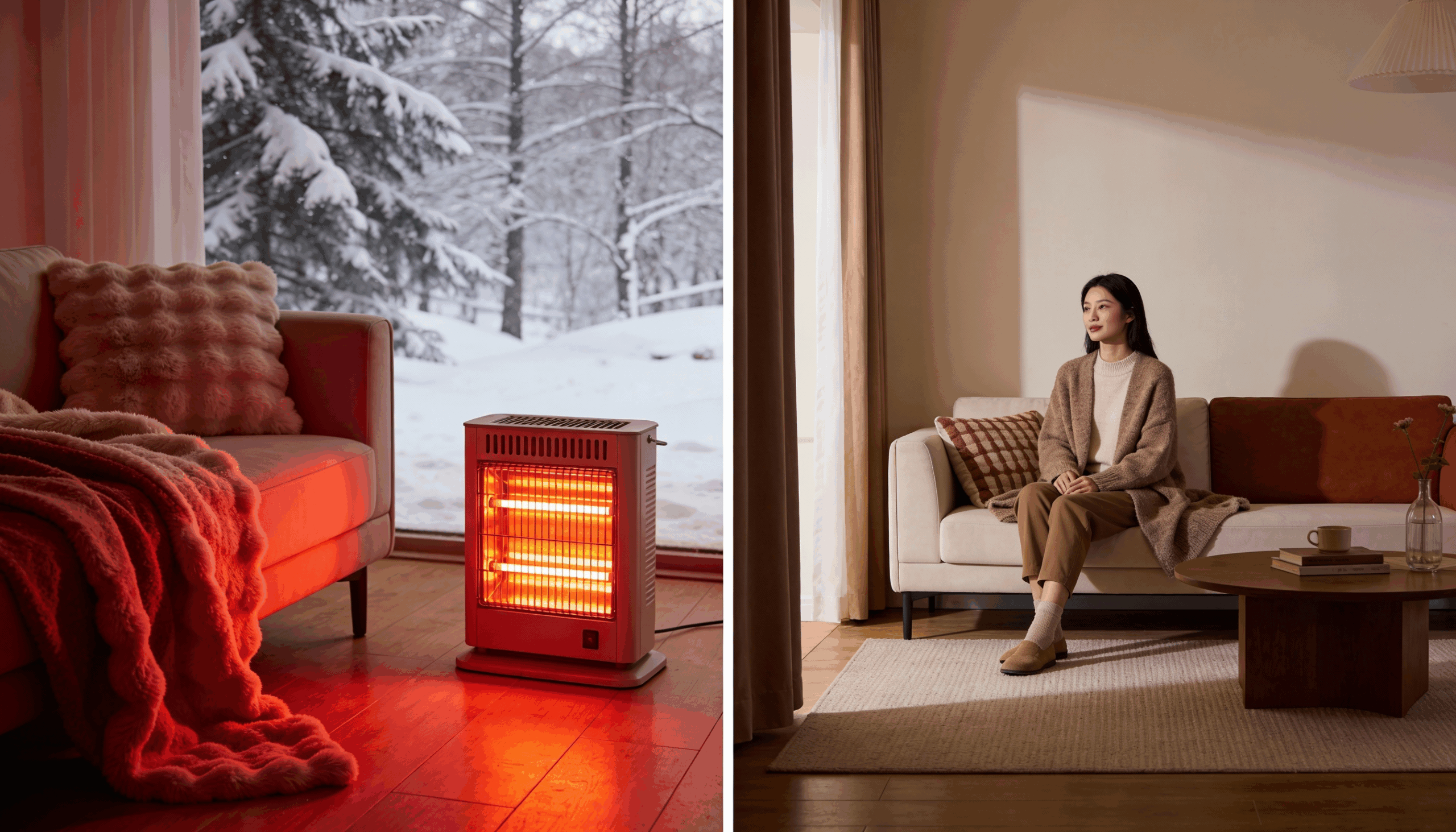
For millions of households across the United States, energy costs are one of the most unpredictable (and stressful) monthly expenses. Seasonal temperature extremes, rising utility rates, medical needs, and unexpected financial setbacks can quickly turn an energy bill into a crisis. The Low Income Home Energy Assistance Program (LIHEAP) was created to help households stay safe, housed, and financially stable when energy costs become unmanageable.
LIHEAP is a federally funded program administered by states, territories, and Tribal organizations. While funding comes from the federal government, each local agency designs its own program within federal guidelines. This means benefit amounts, application periods, and specific rules vary by location, but the goal is the same everywhere: to help eligible households afford essential heating and cooling services.
This article explains the main LIHEAP programs available, how they work, who benefits most, and why applying can make a meaningful difference for households facing high energy costs.
Understanding LIHEAP: More Than Just Bill Assistance
Many people assume LIHEAP is simply a one-time payment toward a utility bill. In reality, it is a multi-part support system designed to address both immediate energy emergencies and long-term affordability issues.
Depending on where you live, LIHEAP may include:
- Seasonal heating or cooling assistance
- Emergency or crisis assistance
- Energy-related home repair
- Referrals to weatherization and efficiency programs
- Coordination with utility companies and community organizations
Households may qualify for more than one type of assistance, especially if they face ongoing or urgent energy challenges.
Main LIHEAP Programs Available
1. Heating Assistance
Heating assistance is the most widely used LIHEAP benefit and is typically offered during fall and winter months.
What heating assistance helps with:
- Natural gas or electric heating bills
- Propane, heating oil, kerosene, wood, or pellets (where allowed)
- Reducing past-due balances related to heating usage
How it works:
Approved households usually receive a one-time seasonal benefit paid directly to their utility company or fuel vendor. The amount depends on income, household size, energy costs, and local funding availability.
Why it matters:
Heating costs can spike suddenly during cold weather. LIHEAP helps prevent unsafe living conditions, shutoffs, and the difficult choice between heat and other necessities like food or medication.
2. Cooling Assistance
In many states and territories (especially those prone to extreme heat) LIHEAP also provides cooling assistance.
Cooling assistance may cover:
- Electric bills used to run air conditioning
- Summer utility credits
- In some areas, repair or replacement of essential cooling equipment
Who benefits most:
- Seniors and individuals with medical conditions
- Households with infants or young children
- People living in regions with prolonged heat waves
Extreme heat can be life-threatening. Cooling assistance helps reduce the risk of heat-related illness while keeping electricity connected during high-demand months.
3. Crisis or Emergency Energy Assistance
Crisis assistance is designed for households facing immediate danger or disconnection.
Qualifying crisis situations often include:
- A utility shutoff notice or active disconnection
- Running out of heating fuel
- Unsafe living conditions due to lack of heat or cooling
- Energy emergencies during extreme weather
Key advantage:
Crisis applications are usually prioritized and processed faster than regular seasonal applications. In many cases, agencies work directly with utility companies to delay or reverse shutoffs.
This type of assistance can be the difference between maintaining stable housing and facing severe health or safety risks.
4. Energy-Related Home Repair Assistance
Some LIHEAP agencies offer limited home repair services tied directly to restoring heating or cooling.
Examples may include:
- Repairing a non-functioning furnace or boiler
- Fixing electrical components required for heat or AC
- Addressing dangerous conditions that prevent safe energy use
Availability varies widely, and funding is often limited, but this assistance is critical for households whose energy problems stem from failing equipment rather than usage alone.
5. Weatherization and Energy Efficiency Support
While often provided through the separate Weatherization Assistance Program (WAP), many LIHEAP offices help households access efficiency services.
Weatherization can include:
- Insulation upgrades
- Air sealing and draft reduction
- Energy-efficient heating system improvements
- Safety checks related to energy use
Why this matters:
Weatherization reduces energy consumption long-term, lowering monthly bills and making homes more comfortable year-round. LIHEAP often serves as the entry point for these services.
Advantages of Using LIHEAP
1. Immediate Financial Relief
LIHEAP reduces energy bills during high-cost seasons, freeing up income for other essentials such as rent, food, childcare, and healthcare.
2. Protection Against Utility Shutoffs
Crisis assistance and agency coordination often help prevent service disconnection or speed up reconnection, reducing stress and instability.
3. Health and Safety Benefits
Maintaining safe indoor temperatures is critical for:
- Seniors
- People with disabilities
- Medically vulnerable individuals
- Children
LIHEAP helps protect households from heat- and cold-related health emergencies.
4. Budget Stability
By lowering or offsetting large energy bills, LIHEAP helps households avoid late fees, reconnection charges, and mounting arrears.
5. Access to Additional Resources
Applying for LIHEAP often connects households to:
- Utility discount programs
- Payment plans or arrears management programs
- Local nonprofit emergency assistance
- Weatherization and housing support services
6. Broader Eligibility Than Many Expect
Many working households qualify. Income limits vary by state, and households with seniors, disabilities, or children often receive priority consideration.
Who Can Qualify for LIHEAP?
Eligibility typically depends on:
- Household income
- Household size
- Energy costs and burden
- Vulnerability factors (age, disability, health)
- Responsibility for paying heating or cooling costs
Renters, homeowners, and people living in subsidized housing may all qualify, depending on local rules.
What You’ll Usually Need to Apply
Common application documents include:
- Photo ID
- Proof of address
- Recent utility bills or fuel vendor information
- Proof of household income
- Social Security numbers or alternative identifiers (requirements vary)
- Shutoff notice or fuel warning for crisis applications
Local agencies can often help if documentation is missing or difficult to obtain.
Why Applying Is Worth It
LIHEAP is not charity but it is a public assistance program designed to keep households safe and stable. Applying does not affect immigration status for most applicants, does not require repayment, and does not reduce eligibility for most other benefits.
Even households unsure about eligibility are encouraged to apply or seek help from a local agency.
Final Thoughts
Energy insecurity affects health, housing stability, and financial well-being. LIHEAP provides a vital safety net by addressing immediate energy emergencies while supporting longer-term affordability and efficiency.
If you or someone you care for struggles to keep up with heating or cooling costs, LIHEAP is one of the most important first resources to explore.



Leave a Reply