-

How a Credit Card’s Annual Percentage Rate Is Actually Set, and Why Two Cards From the Same Bank Can Charge Different Rates
Prime rate plus a credit-tier margin, and a 45-day notice rule most cardholders have never read. The real mechanics behind the number on your statement.
-
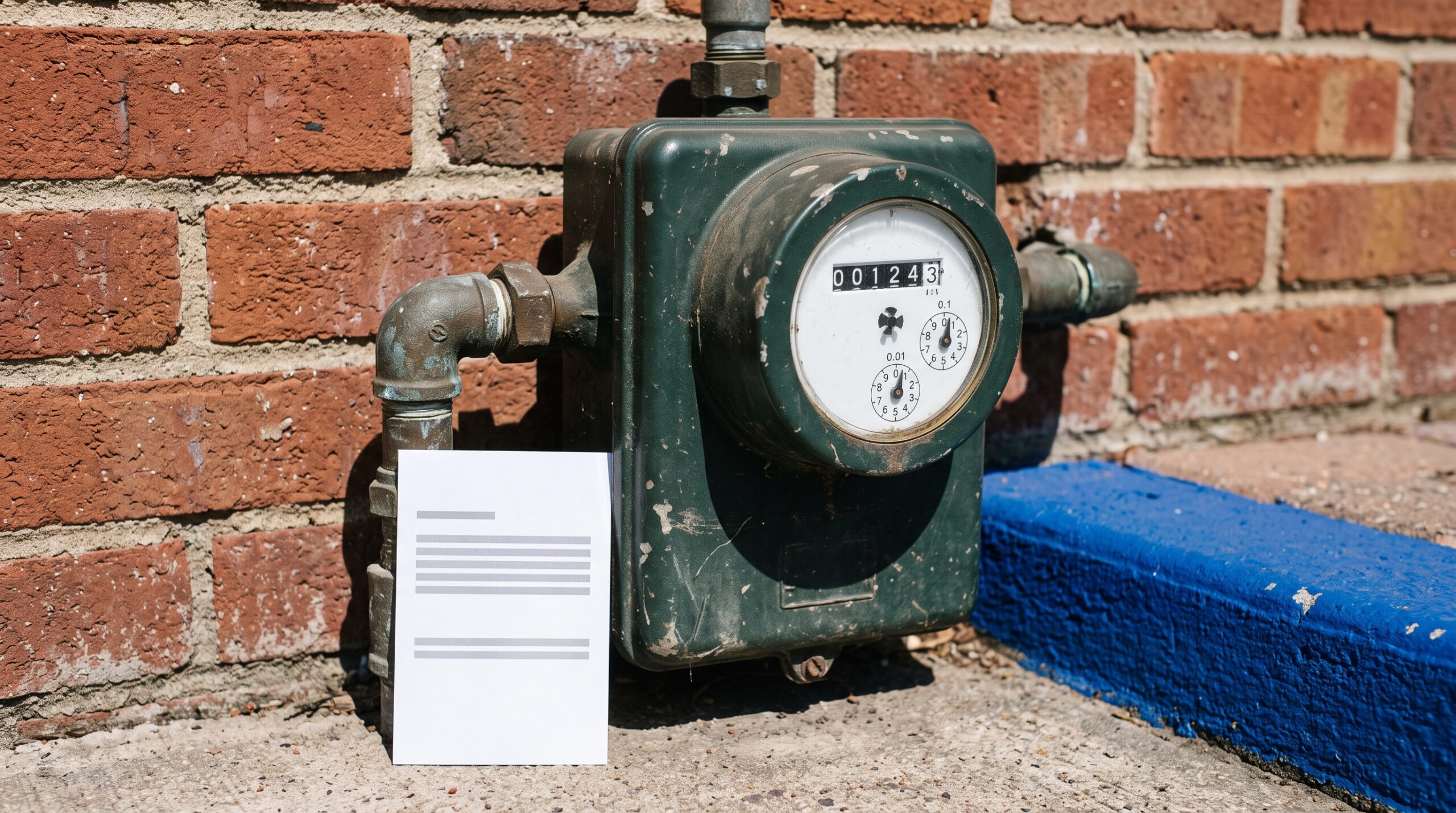
How a Water and Sewer Bill Is Actually Set, and Why Sewer Charges Follow Your Winter Water Use
Fixed charges, rising-tier pricing, and a sewer bill with no meter of its own – the actual rate-setting mechanism behind a bill most households never question.
-

How the Consumer Price Index Is Actually Built: The 8-Category Basket Behind Every Inflation Headline
A government index covering every household at once is necessarily an average. This explains the actual two-survey mechanism behind the number, not just the headline percentage.
-

How a Hospital’s Chargemaster Price Is Actually Set, and Why an $85,115 Sticker Price Can Turn Into an $11,828 Bill
A single hip replacement can carry five different prices at the same hospital. Here’s what a chargemaster actually is and why almost none of those prices match what gets paid.
-

How a Federal Prevailing Wage Is Actually Set on a Construction Project, and Why the Same Job Pays Differently One County Over
A construction worker’s federally required minimum pay isn’t one national number. It comes from a county-level survey and a specific three-step legal test.
-

How the Internal Revenue Service (IRS) Adjusts Tax Brackets for Inflation Every Year, and Why a Raise That Matches Inflation Rarely Bumps You Into a Higher One
Every October the IRS resets more than 60 tax numbers using a formula written into law, which is why a raise that only tracks inflation rarely pushes anyone into a higher bracket.
-

How a Debt Actually Moves to a Collection Agency, and Why Two Different Clocks Are Running on It
The mechanics behind an account landing in collections: the difference between assignment and sale, what a debt buyer typically pays, and why the credit-report clock and the lawsuit clock run on separate dates.
-

How the Value of a Housing Voucher Is Actually Set, and Why It Can Differ by ZIP Code
The payment standard behind a Housing Choice Voucher comes from a federal rent benchmark and a local agency’s own choice within a fixed range, which is why identical vouchers cover different rent in different places.
-

How the Federal Minimum Wage Is Actually Set, and Why It Hasn’t Moved Since 2009
A look at the actual mechanism behind the $7.25 federal wage floor: the law that sets it, the tip credit that splits it for restaurant workers, and why state law can push it higher.
-

How Health Insurance Premiums Are Actually Set, and Why Two Neighbors Can Pay Different Rates for the Same Plan
A health plan’s premium is built from a short, federally limited list of rating factors, not an insurer’s open judgment. Here is exactly which factors are allowed, and the rule that sends money back when insurers overcharge.