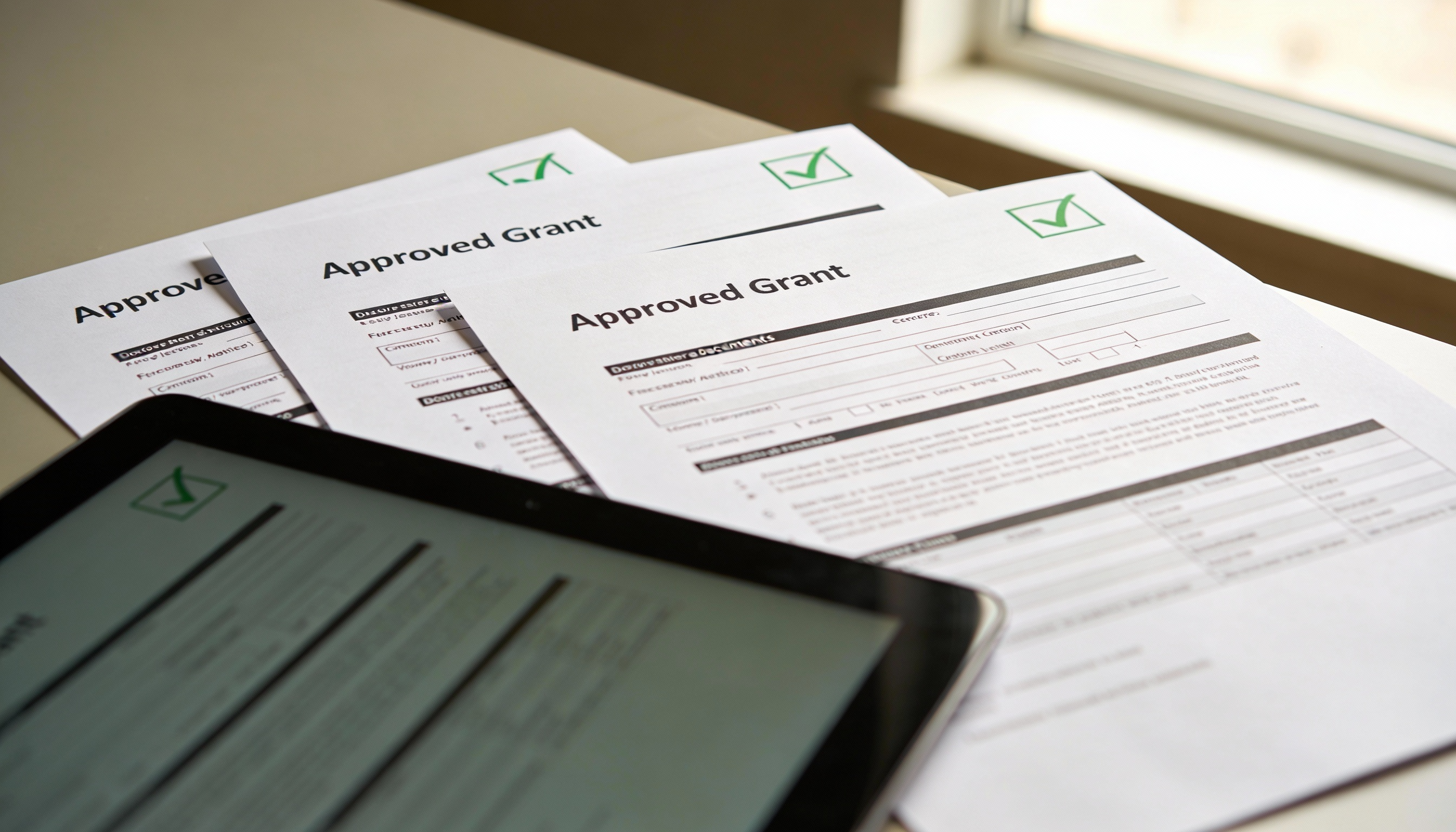
Grant funding plays a critical role in supporting education, community development, entrepreneurship, research, and mission-driven initiatives. Yet despite the volume of funding distributed each year, many eligible applicants never apply (or apply unsuccessfully) because the grant process can be complex, fragmented, and difficult to navigate without guidance.
A website designed to help consumers successfully get grants serves as both a navigator and a safeguard, helping applicants identify realistic opportunities, understand requirements, and submit stronger, more complete applications. To understand the value of such a platform, it’s important to first understand the types of grant programs that exist and where most applicants encounter obstacles.
Understanding the Grant Landscape
Grants are funds awarded for a specific purpose that generally do not require repayment, provided the terms of the award are met. Unlike loans, grants are competitive and eligibility-driven, meaning that funding is awarded based on alignment with program criteria rather than creditworthiness or personal finances.
Grant programs typically fall into several broad categories.
Government Grant Programs
Government grants are among the most widely known but also the most misunderstood. At the federal, state, and local levels, grants are primarily designed to fund projects, programs, and services, not to provide unrestricted personal income. Many are intended for nonprofits, educational institutions, small businesses, research entities, or local governments.
That said, some government-supported grants and assistance programs do benefit individuals directly, particularly in areas such as:
- Education and workforce training
- Housing and energy assistance
- Agriculture and rural development
- Disaster recovery and relief
- Research fellowships and scholarships
Government grants often involve strict eligibility requirements, formal applications, and detailed documentation. Missing a single requirement can disqualify an otherwise strong submission.
Foundation and Nonprofit Grants
Private foundations and nonprofit funders provide grants aligned with specific missions or causes. These programs often focus on:
- Education access and equity
- Health and social services
- Arts, culture, and creative work
- Environmental and community impact
- Capacity building and innovation
Foundation grants can be more flexible than government grants, but they vary widely in structure. Some require short applications and letters of intent, while others involve multi-stage reviews and detailed reporting commitments.
Because foundations define eligibility narrowly, applicants frequently waste time pursuing opportunities that are not well aligned. This is where proper screening and guidance become especially valuable.
Corporate and CSR Grant Programs
Many corporations operate grant programs through corporate social responsibility (CSR) initiatives. These grants often support:
- Community development projects
- Education and workforce pipelines
- Entrepreneurship and innovation
- Environmental sustainability
Corporate grants may be offered on a rolling basis or during specific funding cycles. While they can be generous, they tend to prioritize projects that align closely with the company’s values, markets, or geographic footprint.
Specialized and Niche Grant Programs
In addition to large institutional funders, there are highly targeted grant programs for specific populations or purposes, such as:
- Small business innovation and research
- Creative professionals and artists
- Educators and students
- Veterans and underserved communities
- Technology, science, and medical research
These programs are often less visible and harder to find through general searches, but they can offer higher success rates when applicants are properly matched.
Why Many Grant Applicants Struggle
Despite the availability of funding, grant success rates are often low for first-time or unsupported applicants. Common challenges include:
- Applying for programs that are not a true eligibility match
- Misunderstanding allowable uses of funds
- Missing required documents or registrations
- Submitting incomplete or poorly structured applications
- Overlooking deadlines or pre-application steps
In addition, misinformation and grant-related scams have made many consumers understandably cautious, further complicating the process.
The Role of a “Successfully Getting Grants” Website
A website dedicated to helping consumers successfully get grants exists to reduce these barriers and bring structure to an otherwise overwhelming process. Rather than promising guaranteed funding, reputable platforms focus on improving readiness, accuracy, and alignment, the factors most closely associated with success.
Key Advantages of Using a Grant Support Platform
1. Smarter Opportunity Matching
One of the biggest advantages of a grant support website is its ability to filter and match programs based on realistic eligibility criteria. Instead of browsing hundreds of listings, users are guided toward opportunities that align with:
- Applicant type
- Location
- Purpose of funding
- Program focus and restrictions
This reduces wasted effort and increases the likelihood that time spent applying is time well spent.
2. Clear, Plain-Language Program Summaries
Grant notices are often written in technical or legal language. A well-designed platform translates these details into:
- Simple eligibility checklists
- Clear descriptions of what funding can and cannot be used for
- Transparent timelines and decision processes
This clarity allows applicants to make informed decisions before committing resources to an application.
3. Structured Application Guidance
Many applicants fail not because their idea lacks merit, but because their application lacks structure. Grant platforms often provide:
- Guided application steps
- Narrative prompts aligned with funder criteria
- Budget templates that reduce calculation errors
This structure helps applicants present their case more effectively and consistently.
4. Reduced Friction and Administrative Burden
By centralizing documents, deadlines, and requirements, grant websites minimize the administrative burden that discourages many applicants. Features such as document storage, reusable profiles, and automated reminders help keep applications on track.
5. Quality Control Before Submission
Another major advantage is built-in quality assurance. Many platforms offer:
- Completeness checks
- Formatting and compliance reviews
- Alignment checks against scoring criteria
These safeguards help prevent avoidable mistakes that commonly lead to disqualification.
6. Protection Against Misinformation and Scams
Because grant fraud is common, reputable platforms emphasize verification and transparency. They direct users to legitimate funding sources, clarify what grants can and cannot do, and avoid unrealistic claims. This builds trust while protecting users from financial harm.
Beyond Listings: Platform-Based Support Programs
A comprehensive grant success website often provides more than just opportunity listings. Its “programs” may include:
- Grant discovery tools
- Eligibility screeners
- Application builders
- Budget planning tools
- Submission calendars
- Review and readiness assessments
Together, these tools help applicants move from interest to submission with greater confidence and consistency.
A Stronger Foundation for Grant Success
Successfully getting grants is rarely about luck. It is about alignment, preparation, clarity, and execution. A website built to support grant success does not replace effort or eligibility but it amplifies them.
By offering structured guidance, verified opportunities, and practical tools, such a platform helps consumers approach grant funding with greater confidence, fewer errors, and a clearer understanding of what it takes to compete effectively.
In a funding landscape where opportunity exists but access can feel opaque, that support can make the difference between intention and impact.





Leave a Reply