
6 min read · Last updated September 23, 2026
- The U.S. Department of Housing and Urban Development (HUD) calculates a Fair Market Rent (FMR) for local housing markets, generally set at the 40th percentile of rents recently paid by people who just moved, not an average of every rent in the area.
- In many metro areas, HUD calculates that benchmark separately for each ZIP code, called a Small Area Fair Market Rent (SAFMR), instead of one figure for the whole metro area.
- A local public housing agency (PHA) then sets its actual payment standard somewhere in a “basic range” of 90 percent to 110 percent of that benchmark, a range fixed in federal regulation.
- A housing agency can go above 110 percent only through an exception payment standard, which requires extra notification to HUD, or full HUD approval, depending on how far above the range it goes.
A Housing Choice Voucher’s payment standard isn’t a fixed national number. It’s a local public housing agency’s own dollar figure, set somewhere between 90 percent and 110 percent of HUD’s Fair Market Rent, or Small Area Fair Market Rent, for that specific area. That’s why an identical voucher can be authorized for a higher rent in one ZIP code than in the next one over.
In this article
- How HUD calculates the rent benchmark
- Why some areas get a ZIP-code-level number instead of one for the whole metro
- How a housing agency turns that benchmark into a payment standard
- Common misconceptions about the payment standard
- Frequently asked questions
The U.S. Department of Housing and Urban Development (HUD) sets a housing voucher’s payment standard somewhere between 90 percent and 110 percent of a local rent benchmark, a range written directly into federal regulation. That single fact explains why two households holding an identical voucher a few ZIP codes apart can be authorized for very different rent.
How HUD calculates the rent benchmark
Every year, HUD publishes a Fair Market Rent (FMR) for housing markets across the country. The figure is generally set at the 40th percentile of gross rents paid by people who recently moved into standard-quality units in that area, using Census Bureau survey data as the base. That means 40 percent of comparable, recently-rented units cost at or below the FMR, and 60 percent cost more.
That percentile choice matters. A 40th-percentile benchmark is deliberately below the midpoint of the local rental market, not an average of every apartment. It’s meant to represent a realistic, modest-but-livable unit, not a high-end one and not the cheapest one available.
Why some areas get a ZIP-code-level number instead of one for the whole metro
In certain larger metro areas, HUD requires a more granular version of the same calculation: a Small Area Fair Market Rent (SAFMR), calculated separately for each ZIP code rather than once for the entire metro. HUD’s SAFMR rule, effective since January 1, 2018, is mandatory in 24 metropolitan areas nationwide, with public housing agencies elsewhere free to adopt it voluntarily.
The reason is straightforward. A single metro-wide FMR can badly overstate rents in a struggling neighborhood and badly understate them in a high-demand one. HUD’s own research on the rule looked at how agencies actually used that flexibility. Agencies that set standards near 90 percent in lower-rent ZIP codes, and near 110 percent in higher-rent ones, did the most to open up high-opportunity neighborhoods to voucher holders. Calculating the benchmark by ZIP code is meant to let a voucher reach further into higher-opportunity neighborhoods within the same metro area, instead of being priced entirely against the metro’s cheapest pockets.
How a housing agency turns that benchmark into a payment standard
The Fair Market Rent, or Small Area Fair Market Rent, is only the benchmark. A local public housing agency (PHA) still has to set its own actual payment standard, and federal regulation gives it room to move. That payment standard has to fall within a “basic range” of 90 percent to 110 percent of the applicable FMR, according to HUD’s own Housing Choice Voucher Program Guidebook.
| Tier | Range vs. the Fair Market Rent | Who sets it | What it requires |
|---|---|---|---|
| Below the basic range | Under 90 percent | The housing agency | Notification to HUD with justification |
| Basic range | 90 percent to 110 percent | The housing agency, within its own administrative plan | No special approval beyond the standard plan |
| Simplified exception | Above 110 percent, up to 120 percent | The housing agency | A simplified HUD notification process |
| Full exception | Above the simplified tier | The housing agency, with HUD review | Full HUD approval |
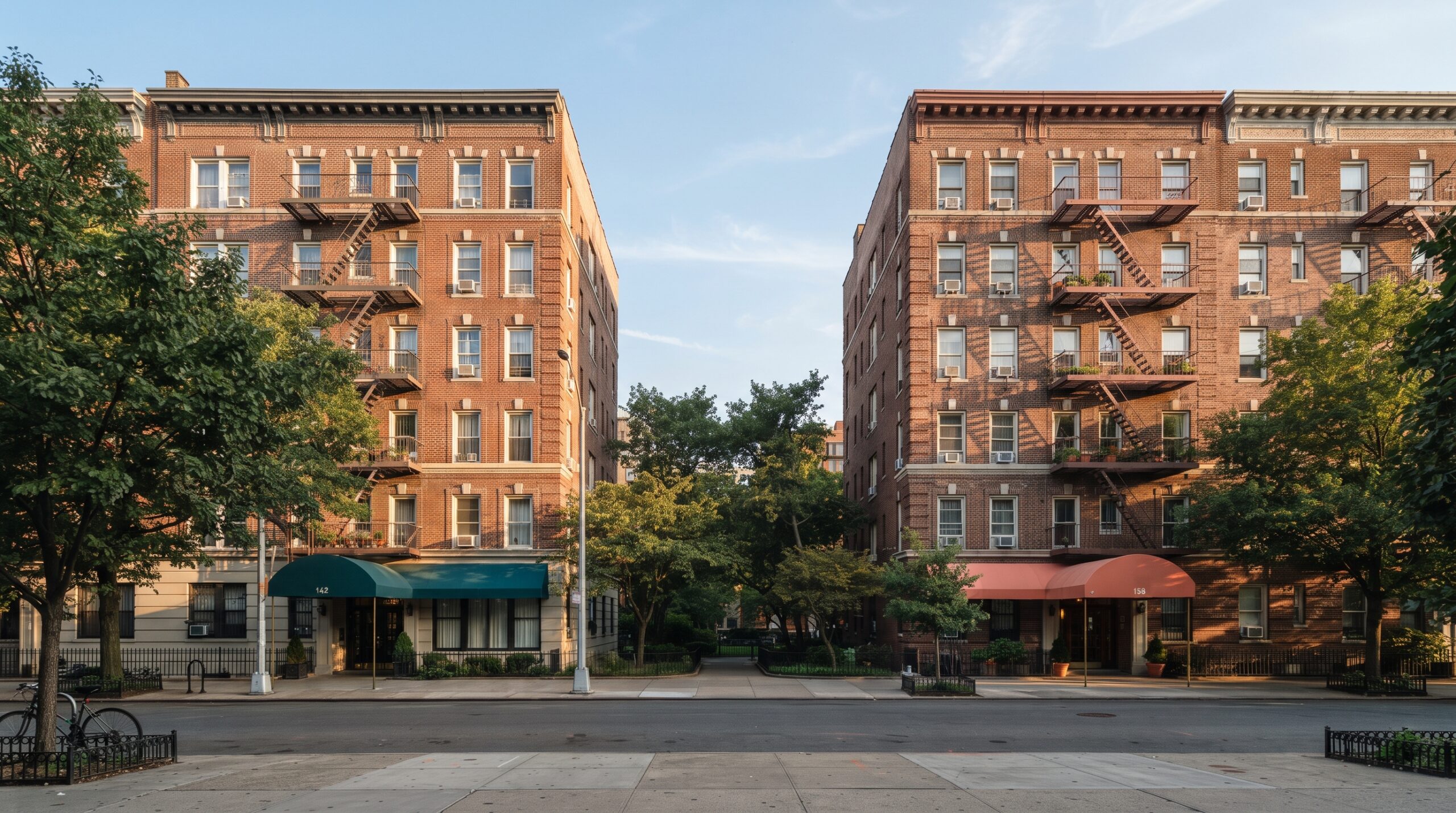
Within that basic range, the housing agency makes its own choice, documented in its administrative plan. One agency might set every payment standard at exactly 100 percent of the benchmark. Another, serving a tighter rental market, might set most standards near 110 percent to give voucher holders a realistic shot at available units. Both choices are fully within the rule.
Common misconceptions about the payment standard
A payment standard isn’t a rent cap on the apartment itself. A landlord can charge whatever the market supports. The payment standard only determines how much of that rent the voucher program will help cover, and the household still pays its own required share based on income.
It also isn’t the same thing as the subsidy amount a household actually receives. The payment standard is one input into a separate calculation that also factors in the household’s income and the unit’s actual rent. Two households with different incomes on the same payment standard end up with different subsidy amounts.
A regulator setting a number instead of a free market isn’t unique to housing vouchers. How a Utility Rate Case Actually Works covers a similar process, where a state commission, not a landlord or a company, ultimately decides what a household pays.
Frequently asked questions
What is a Fair Market Rent? It’s HUD’s annual estimate of typical rent for a standard-quality unit in a given area, generally set at the 40th percentile of what recent movers actually paid, and it’s the starting benchmark for voucher payment standards.
Why does HUD calculate rents separately by ZIP code in some areas? A single metro-wide number can overstate rents in lower-cost neighborhoods and understate them in higher-demand ones. A Small Area Fair Market Rent calculates the benchmark by ZIP code so it reflects each neighborhood’s own market more accurately.
Can a housing agency set the payment standard above 110 percent of the Fair Market Rent? Yes, but only through an exception payment standard, which requires either a simplified HUD notification up to 120 percent or full HUD approval to go higher, depending on the amount requested.
Does the payment standard mean my rent is capped at that amount? No. A landlord can still charge market rent for the unit. The payment standard is one number used to calculate how much of that rent the voucher program can help cover, not a legal ceiling on the rent itself.
How often does HUD update Fair Market Rents? HUD publishes updated Fair Market Rents on an annual cycle tied to the federal fiscal year, so the benchmark behind every payment standard is recalculated at least once a year.





Leave a Reply